
Effective treatment and recovery involve nurturing the entire tree – strengthening the physiological dependence on alcohol roots, pruning unhealthy branches, and fostering new growth. This might include ongoing therapy, support groups like Alcoholics Anonymous or SMART Recovery, and lifestyle changes to support a substance-free life. Research has shown that certain genetic variations can increase the likelihood of developing an addiction. It’s like some people are born with kindling, making it easier for the fire of addiction to catch and spread. However, it’s important to note that having these genetic predispositions doesn’t guarantee addiction – environment and personal choices still play crucial roles. Physical dependence is characterized by the body relying on an external (exogenous) source of a chemical substance to prevent withdrawal.
The role of virtual therapy in addiction treatment
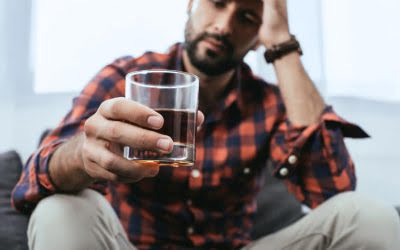
Also, physical dependence can occur without addiction—this is the common experience for many chronic pain patients who continue to take their opioid medications as prescribed for an extended period but don’t experience unmanageable compulsions or a loss of control. By addressing both the physical and psychological aspects of dependence, individuals can work towards achieving long-lasting recovery. Treatment approaches should be tailored to the individual’s needs, and a comprehensive treatment plan should incorporate a combination of medical intervention, therapy, counseling, and support systems. From here, doctors can refer to resources such as the DSM-5 11 to assess your risk of withdrawal and whether a drug use disorder could be present. They’ll use this information to build a personalised treatment plan targeting both physical and psychological dependence if needed.
Importance of Professional Help
For information on effective treatment programs, consider exploring the qualities of effective addiction treatment centers. The detoxification process is the first critical step in managing physiological dependence. It involves the removal of the substance from the body and addressing withdrawal symptoms.
Beyond the Physical: The Psychological Dimension of Addiction
The main difference between alcohol dependence and alcohol addiction is that dependence refers to the physical adaptation of the body to alcohol, leading to tolerance and withdrawal symptoms when alcohol use is reduced or stopped. Dependence is characterized by the body’s need to avoid physical discomfort from withdrawal, such as shaking, sweating, or nausea. An additional challenge in treating physiological dependence is the possibility of negative symptoms that persist beyond the period of acute withdrawal. These symptoms are referred to as post-acute withdrawal symptoms (PAWS) and can include anhedonia (the inability to experience pleasure), drug craving, tendency to relapse to using the drug, https://ixmedia.ai/how-blackout-drinking-uniquely-affects-veterans/ and cognitive impairment.
- The majority of antidepressants studied in alcohol dependence use selective 5-HT reuptake inhibitors (SSRIs).
- Alcohol stimulates endogenous opioids, which are thought to be related to the pleasurable, reinforcing effects of alcohol.
- Alcohol dependence can profoundly impact someone’s life in various ways, affecting their physical health, relationships, and overall stability.
Understanding physiological dependence is crucial because it can profoundly affect how individuals function daily. Simply put, it’s when your body becomes accustomed to a substance, and without it, you may experience withdrawal symptoms. This dependency can create a challenging cycle that impacts your overall well-being and mental Alcoholics Anonymous health.

How To Avoid Addiction And Dependence?
The dependence-producing properties of alcohol have been studied extensively in the last 20 years. Alcohol affects a wide range of neurotransmitter systems in the brain, leading to the features of alcohol dependence. The main neurotransmitter systems affected by alcohol are gamma-aminobutyric acid (GABA), glutamate, dopamine and opioid (Nutt, 1999). The action of alcohol on GABA is similar to the effects of other sedatives such as benzodiazepines and is responsible for alcohol’s sedating and anxiolytic properties (Krystal et al., 2006). Glutamate is a major neurotransmitter responsible for brain stimulation, and alcohol affects glutamate through its inhibitory action on N-methyl D-aspartate (NMDA)-type glutamate receptors, producing amnesia (for example, blackouts) and sedation (Krystal et al., 1999).
